

I was asked recently why I don’t host my videos on YouTube. Well, it wasn’t for lack of trying.
Always being one who sees things a little differently than most, I’ve been known to make some odd videos over the years. Most have landed well with family and friends, but every so often one fails to find its audience. In the case of a Christmas greeting I made for my staff last year, it even managed to get me banned from YouTube.
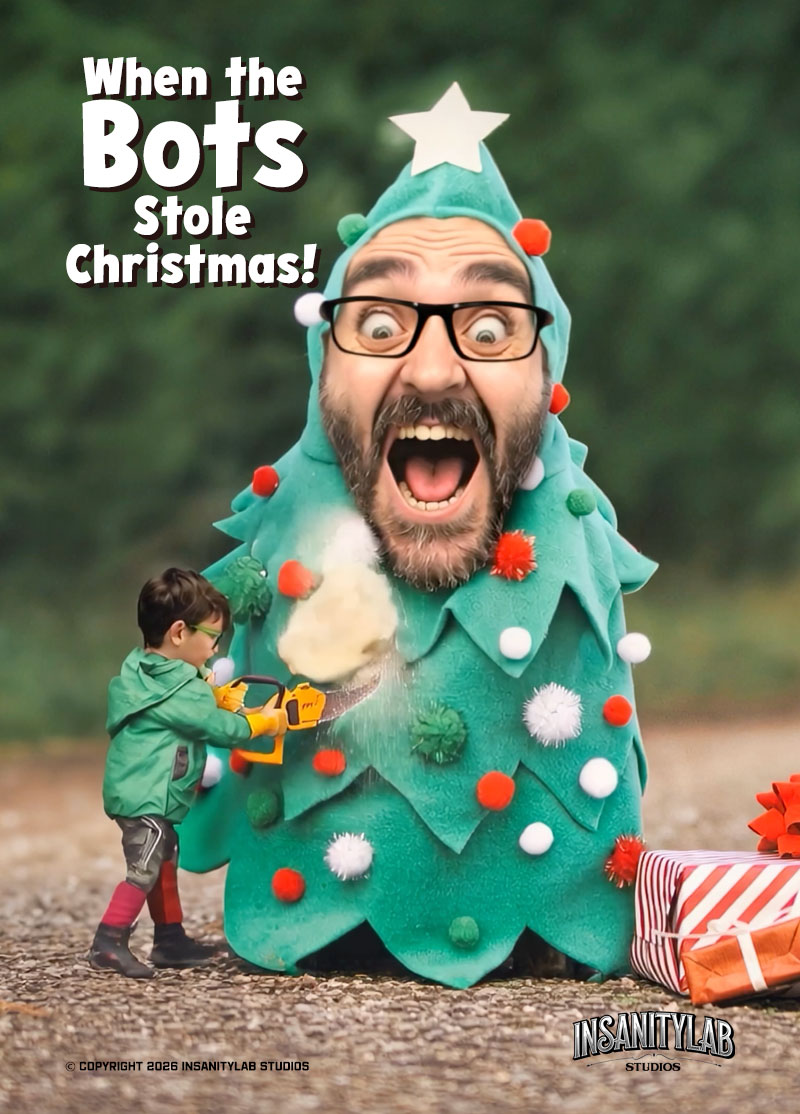
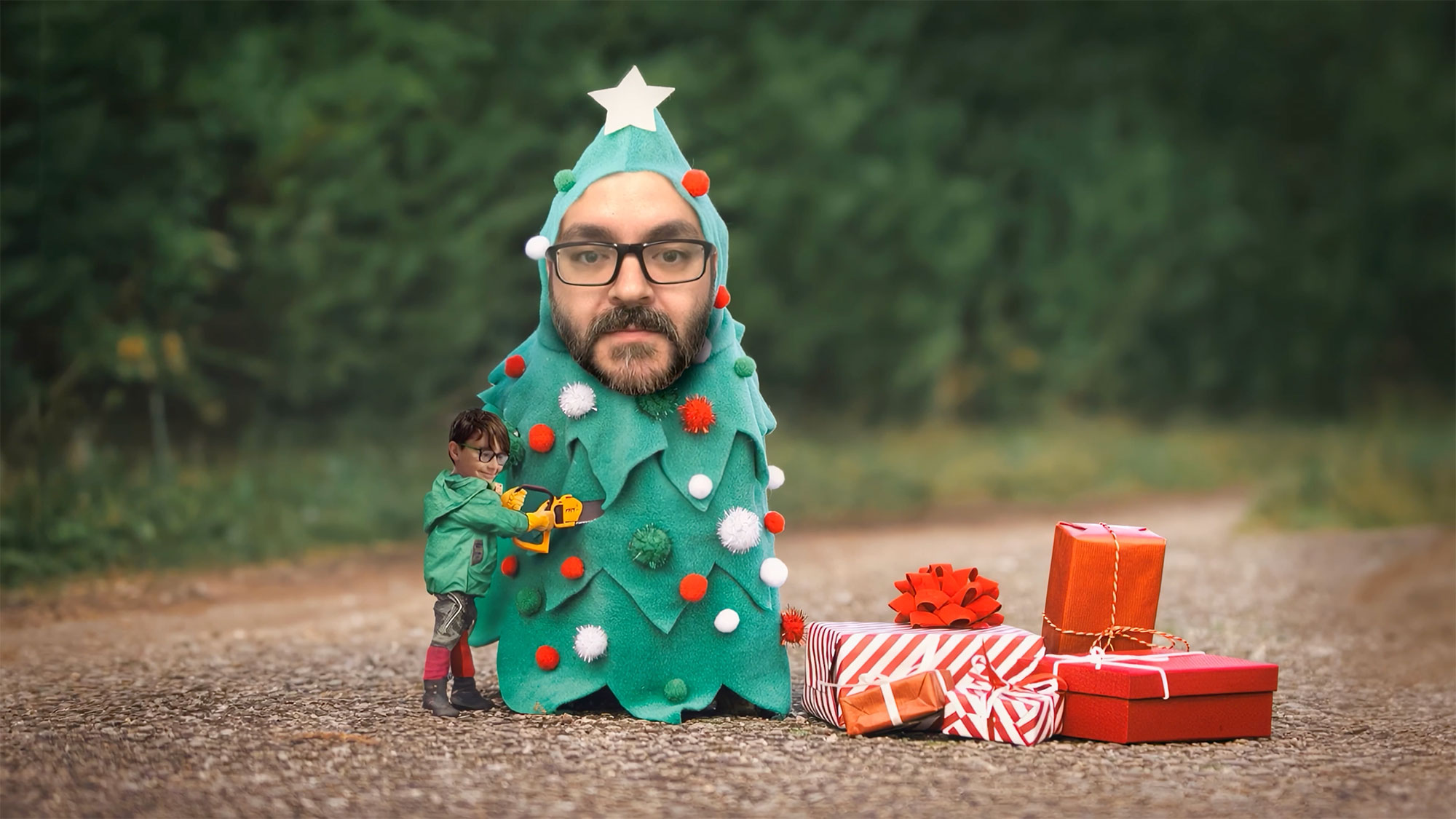
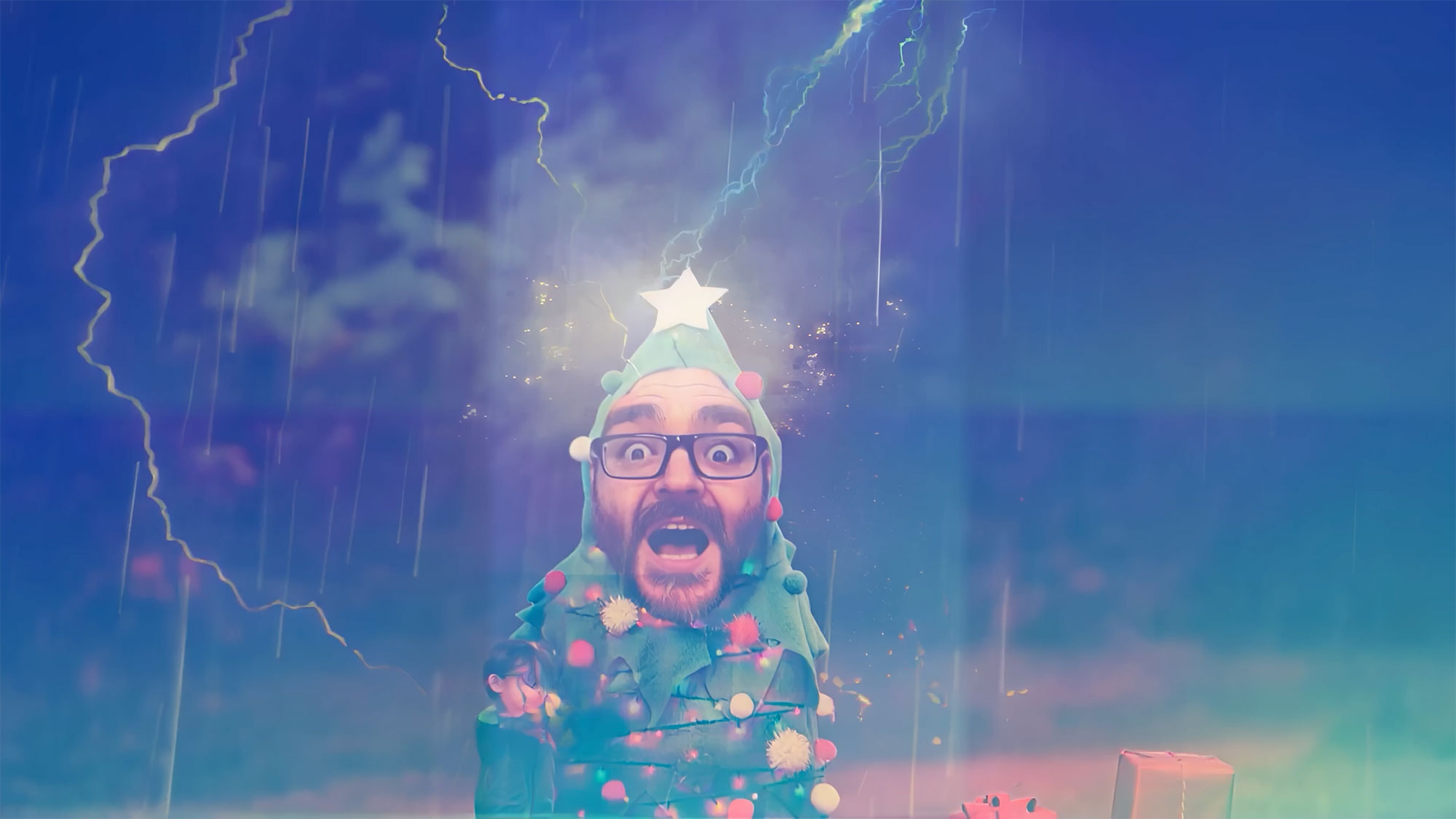
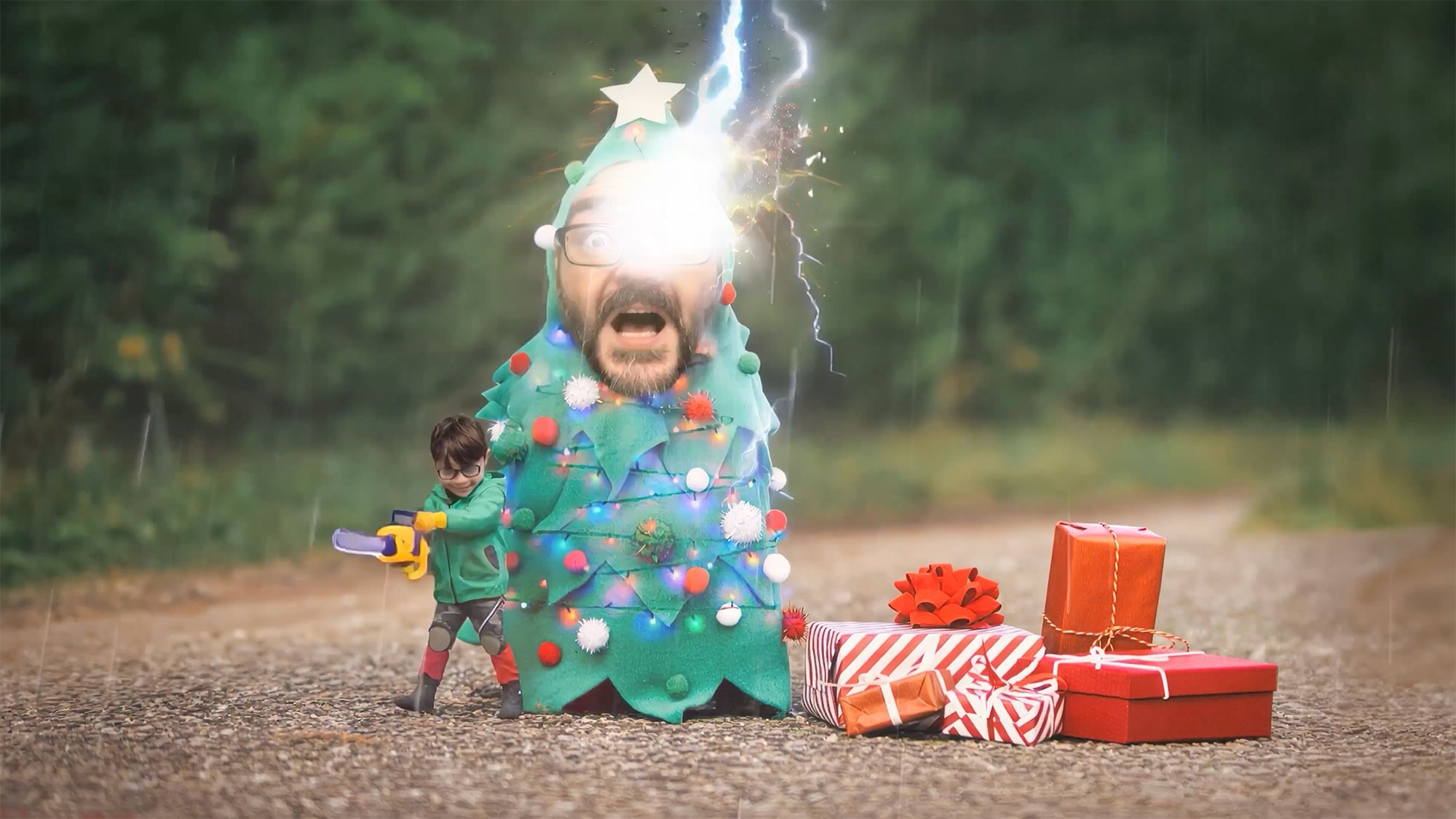
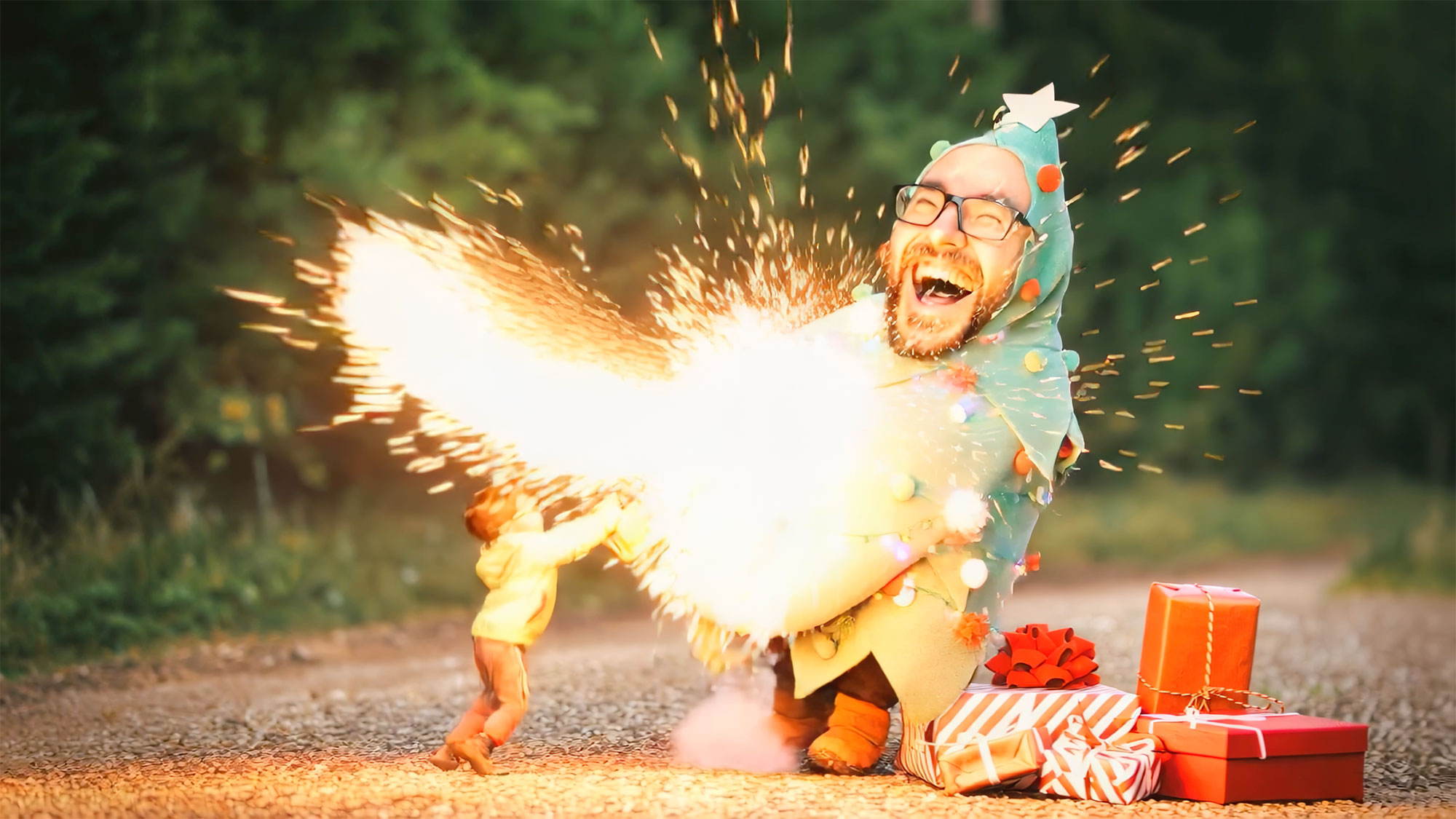
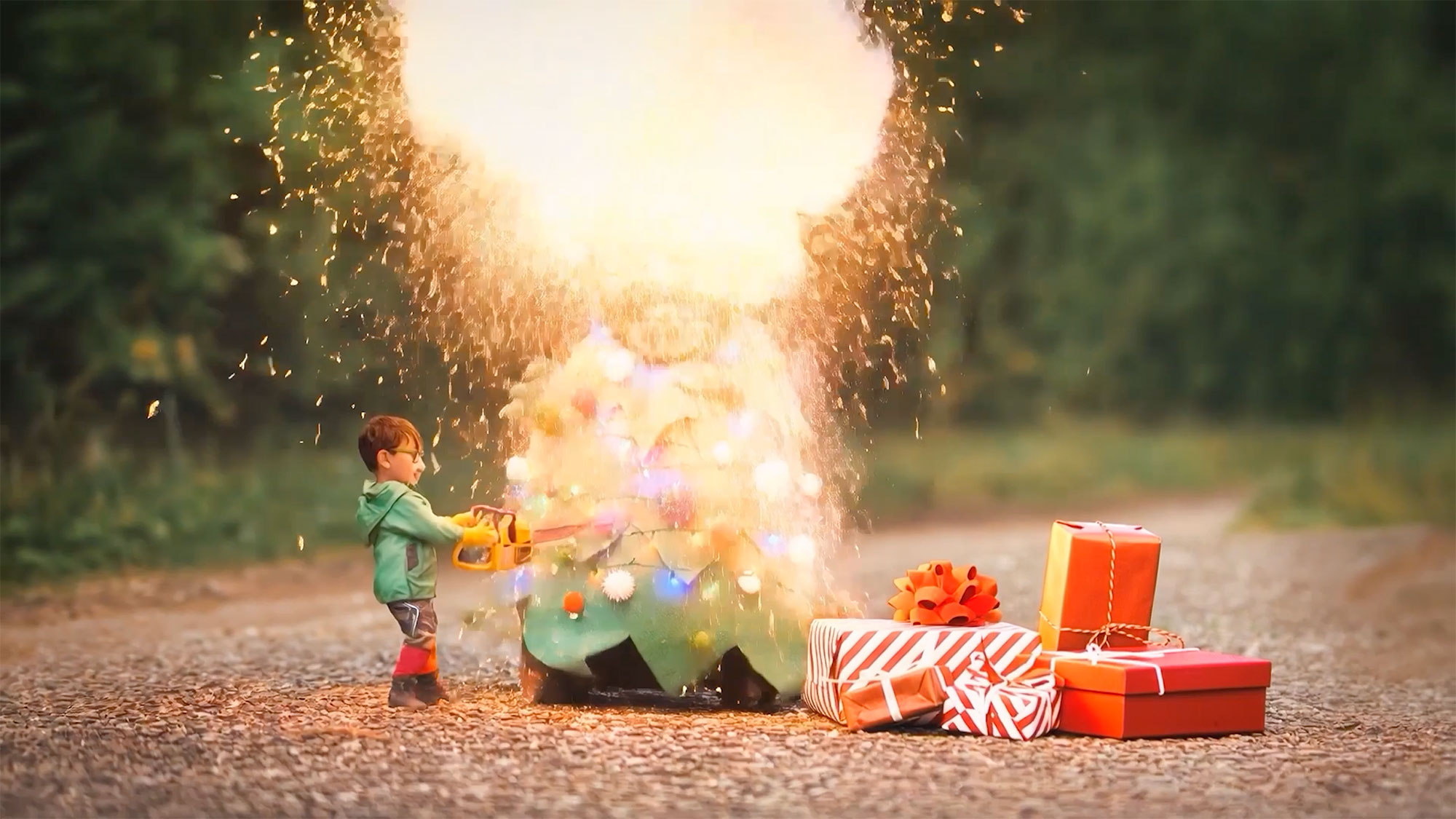
It seemed a sure-fire winner. I had already created a funny image that had gotten laughs featuring one staff member dressed as a Christmas tree while his son cut him down with a chainsaw. Nothing about the video was overly gruesome. Sure, at the very end a chestburster did pop out, there was some blood and guts there, but he was wearing a Santa hat and handed his son a present, so, you know… it was actually quite cute. The tiny alien was deliberately out of proportion, making the whole thing surreal rather than horrific.
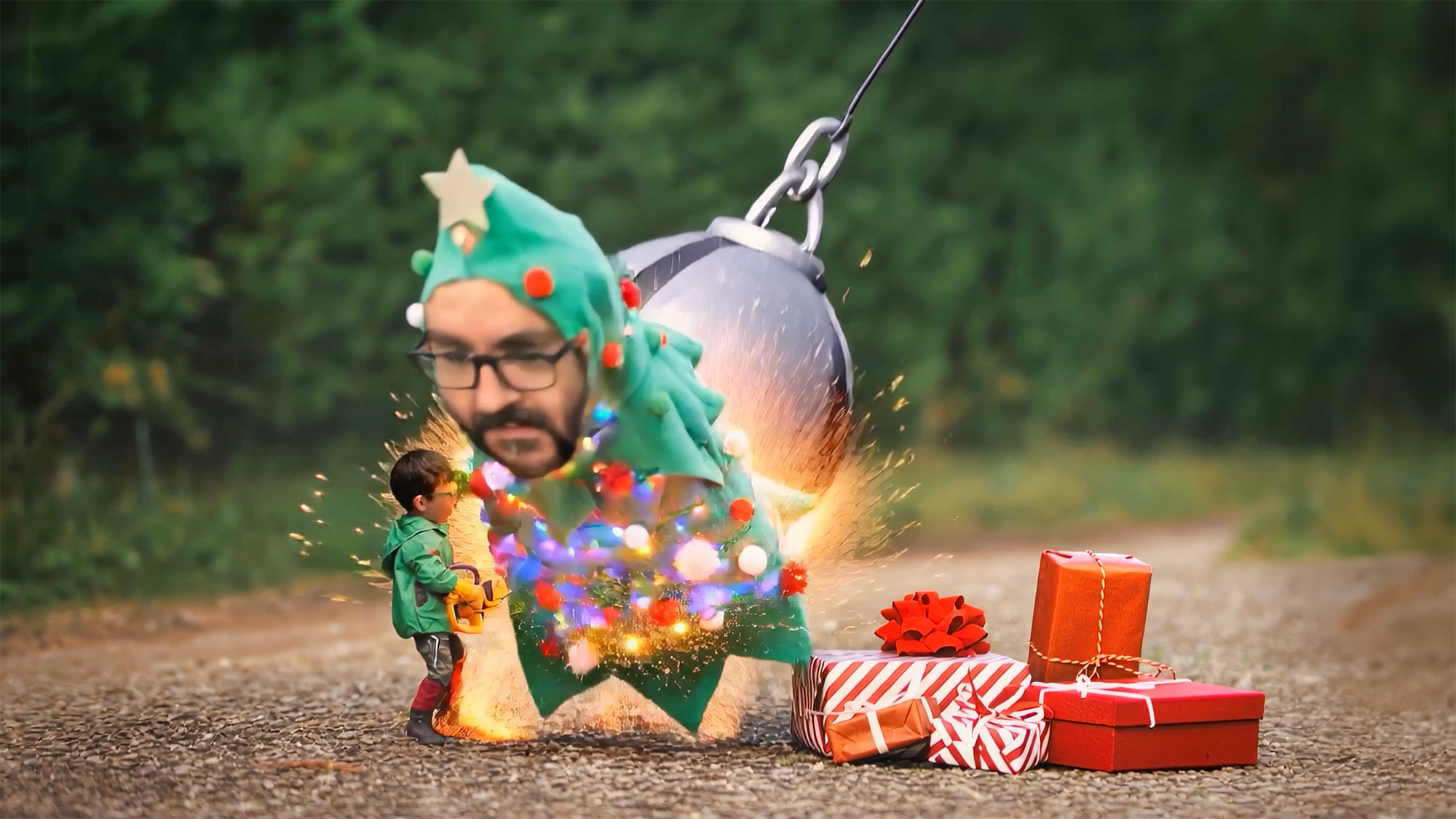
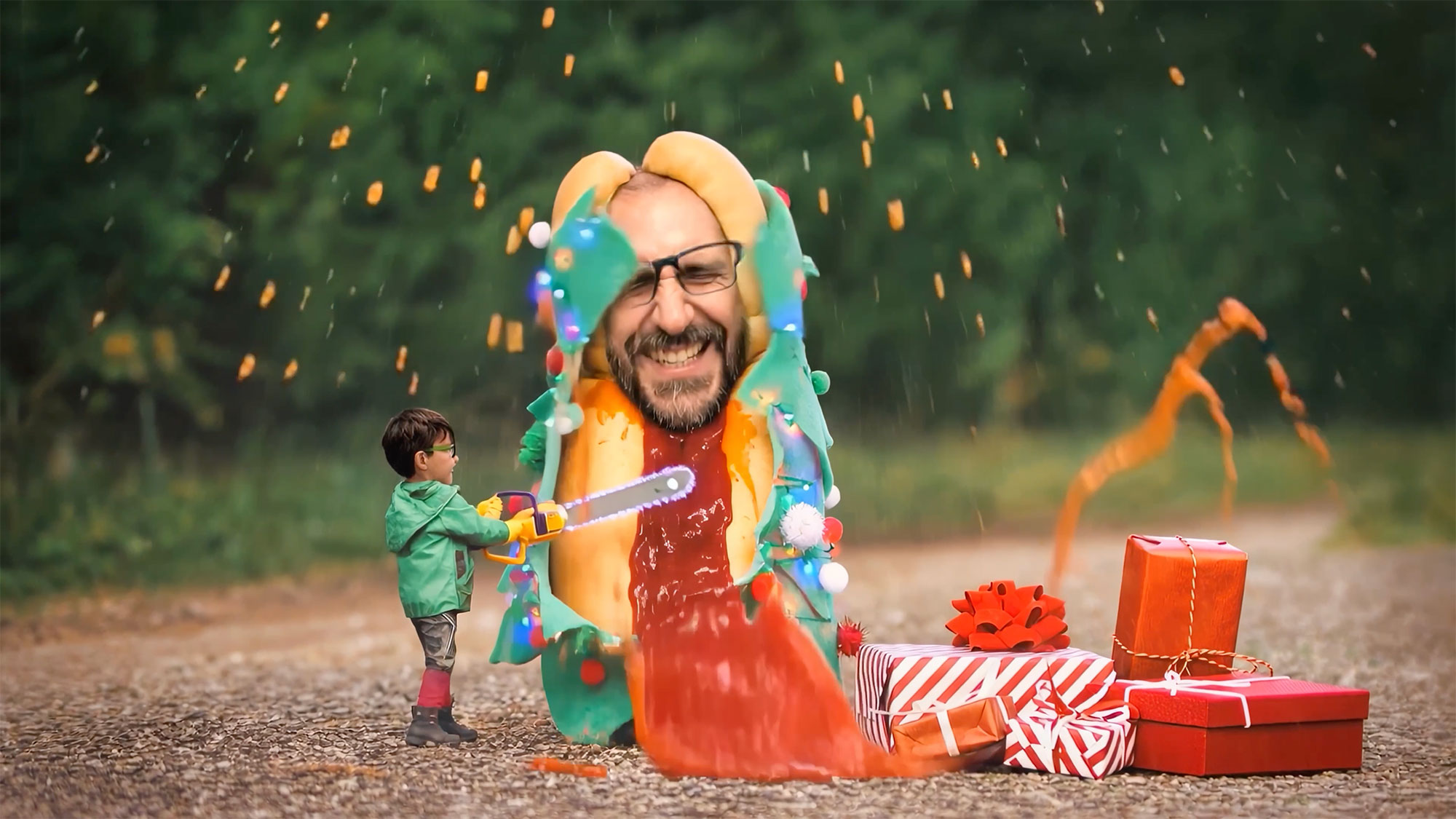
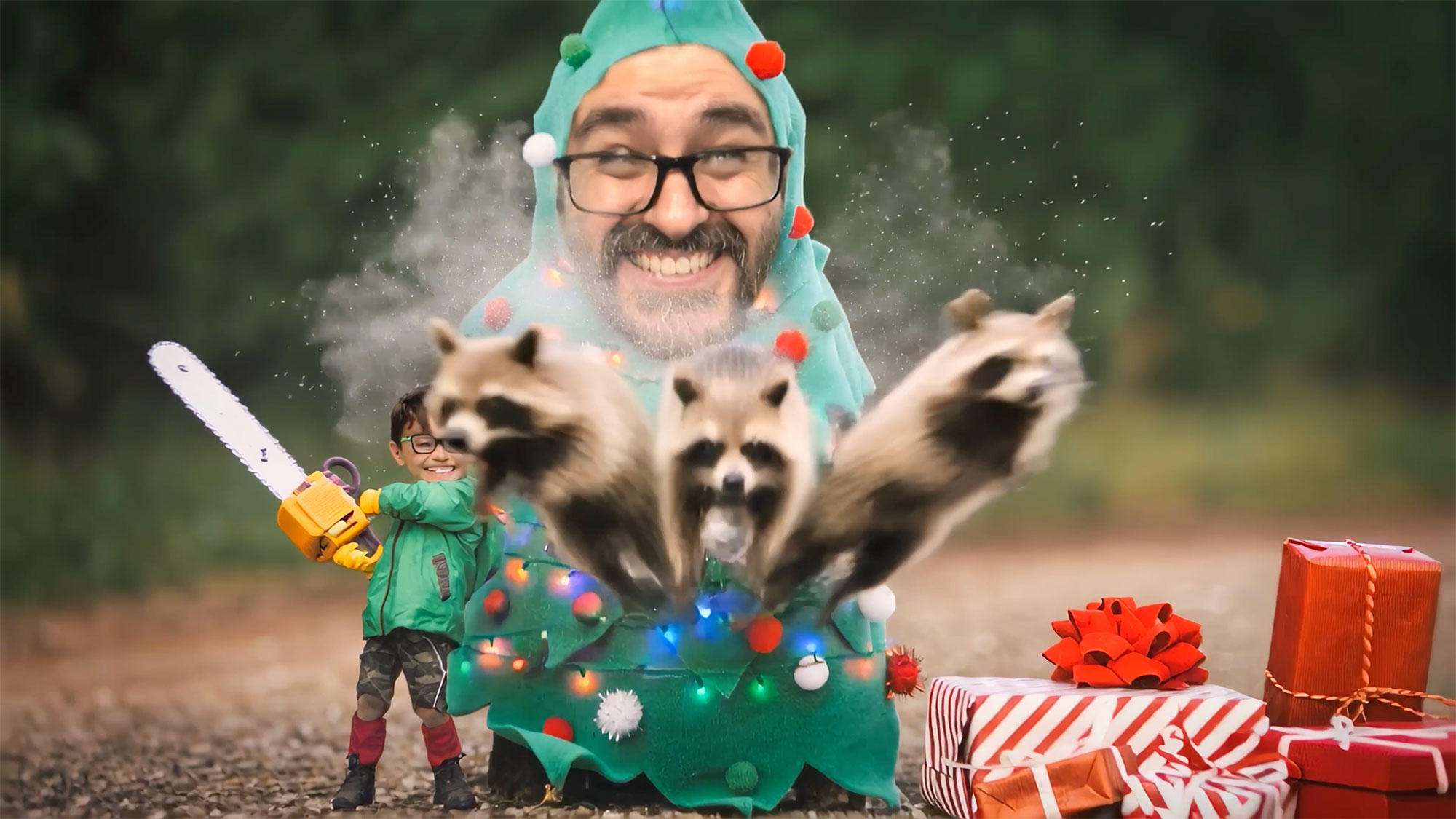
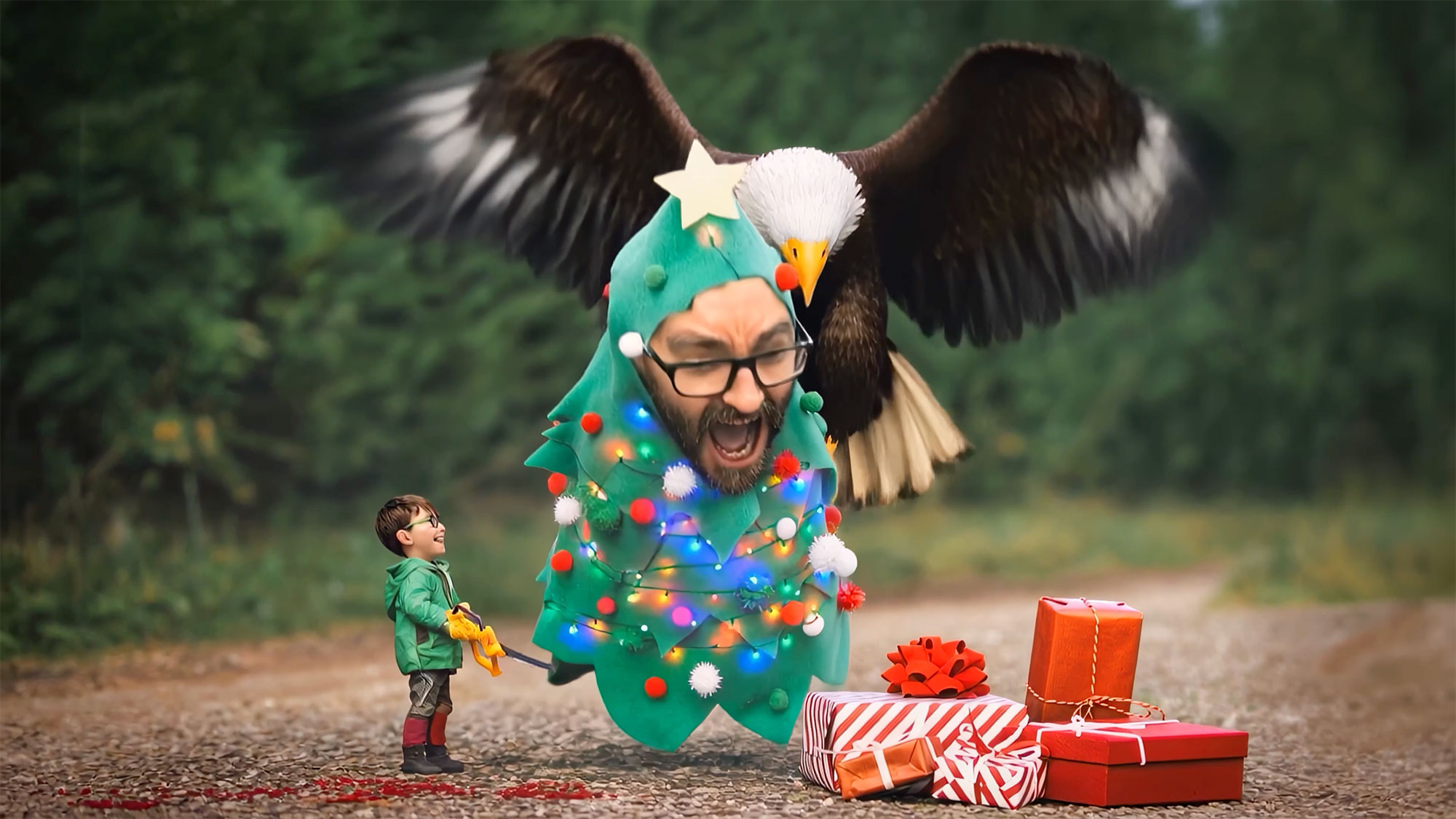
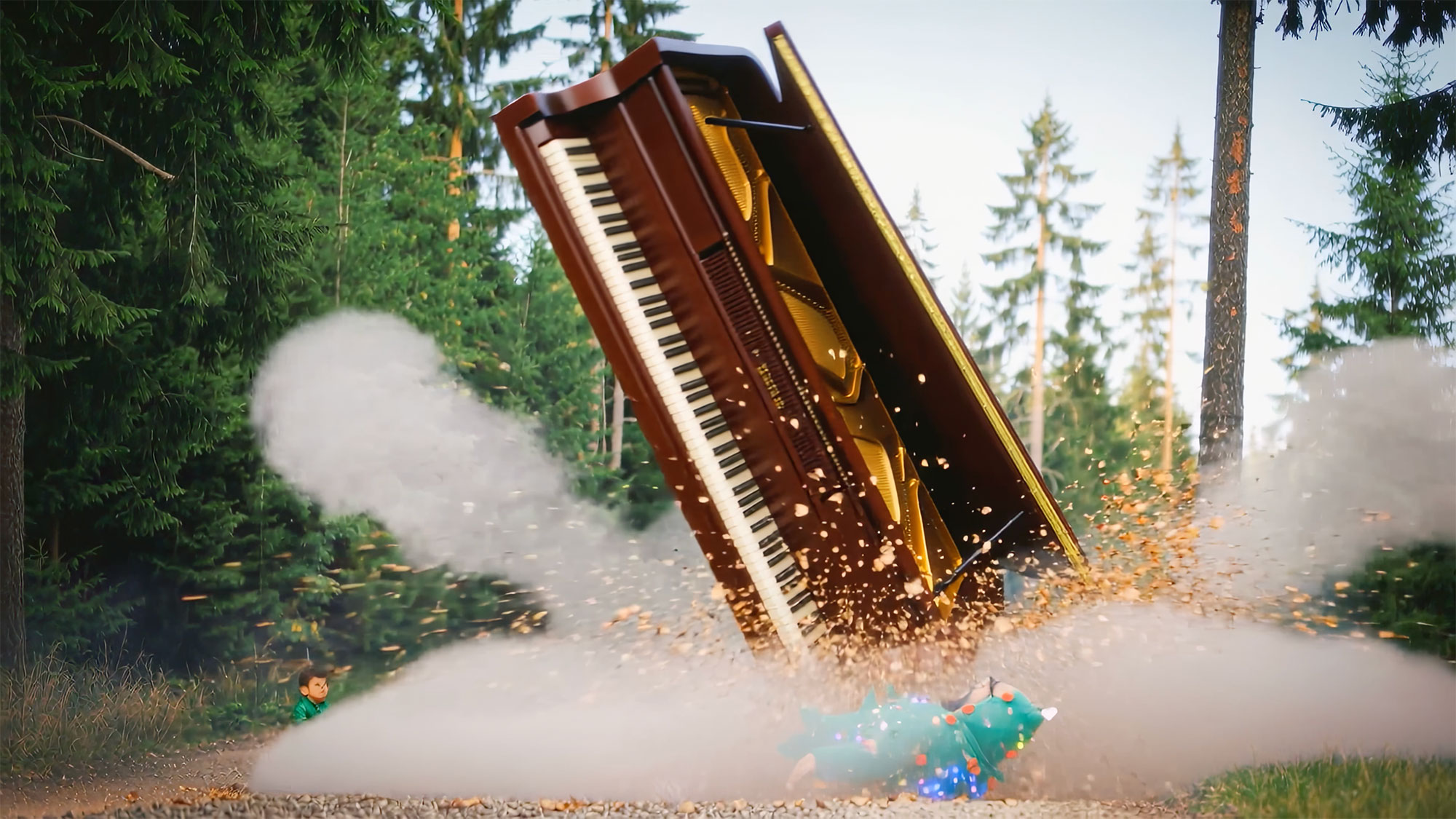
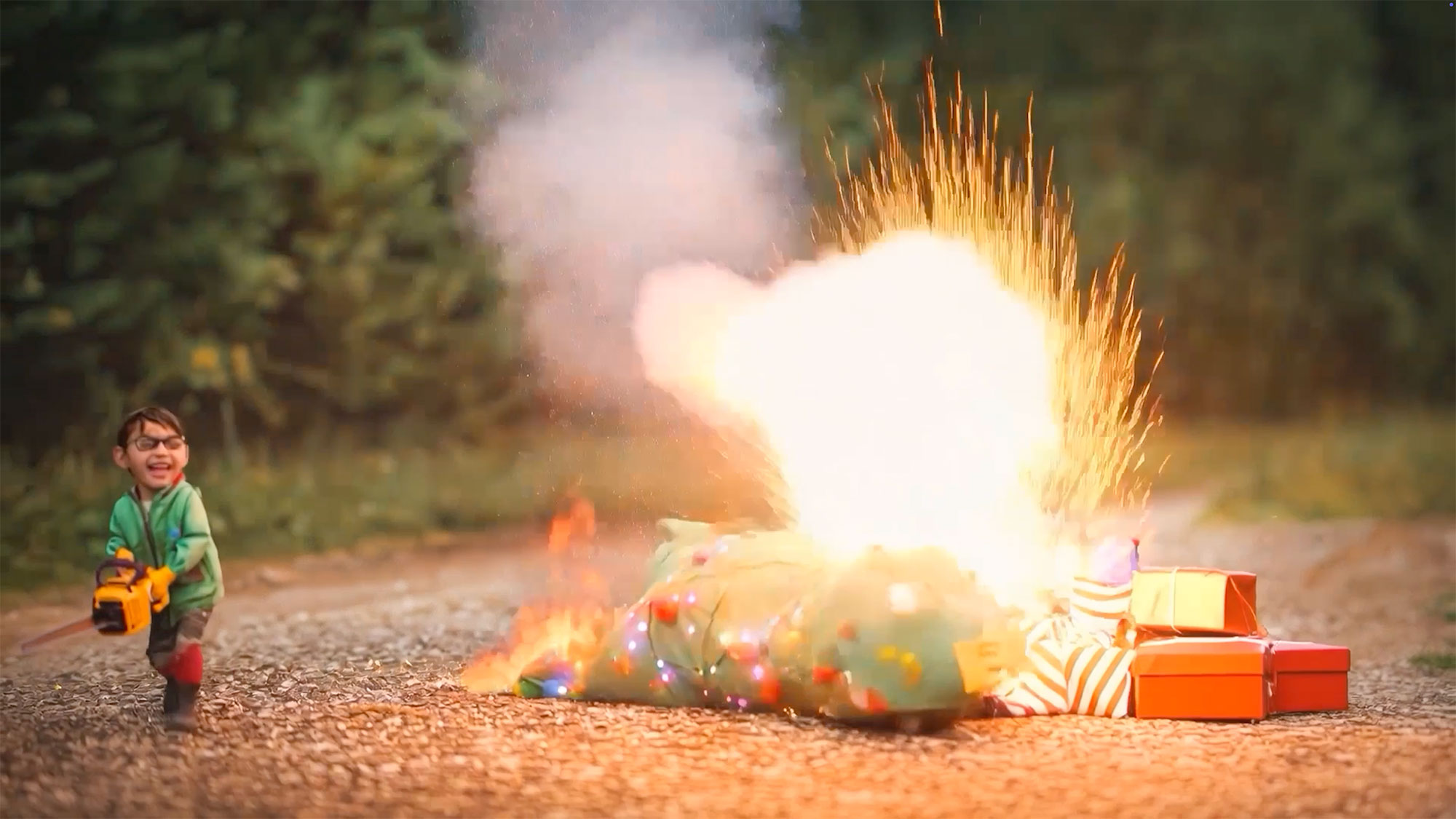
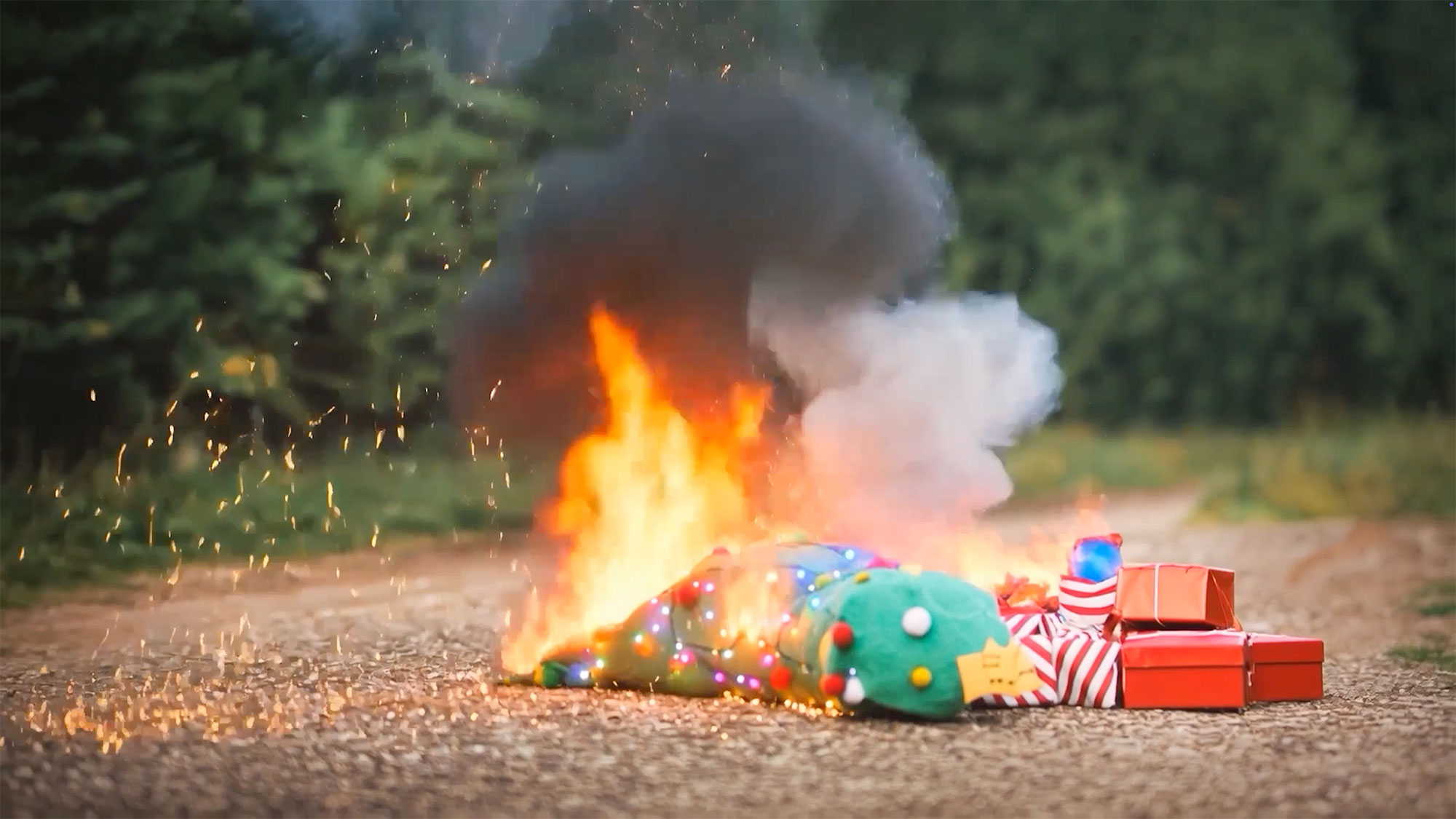
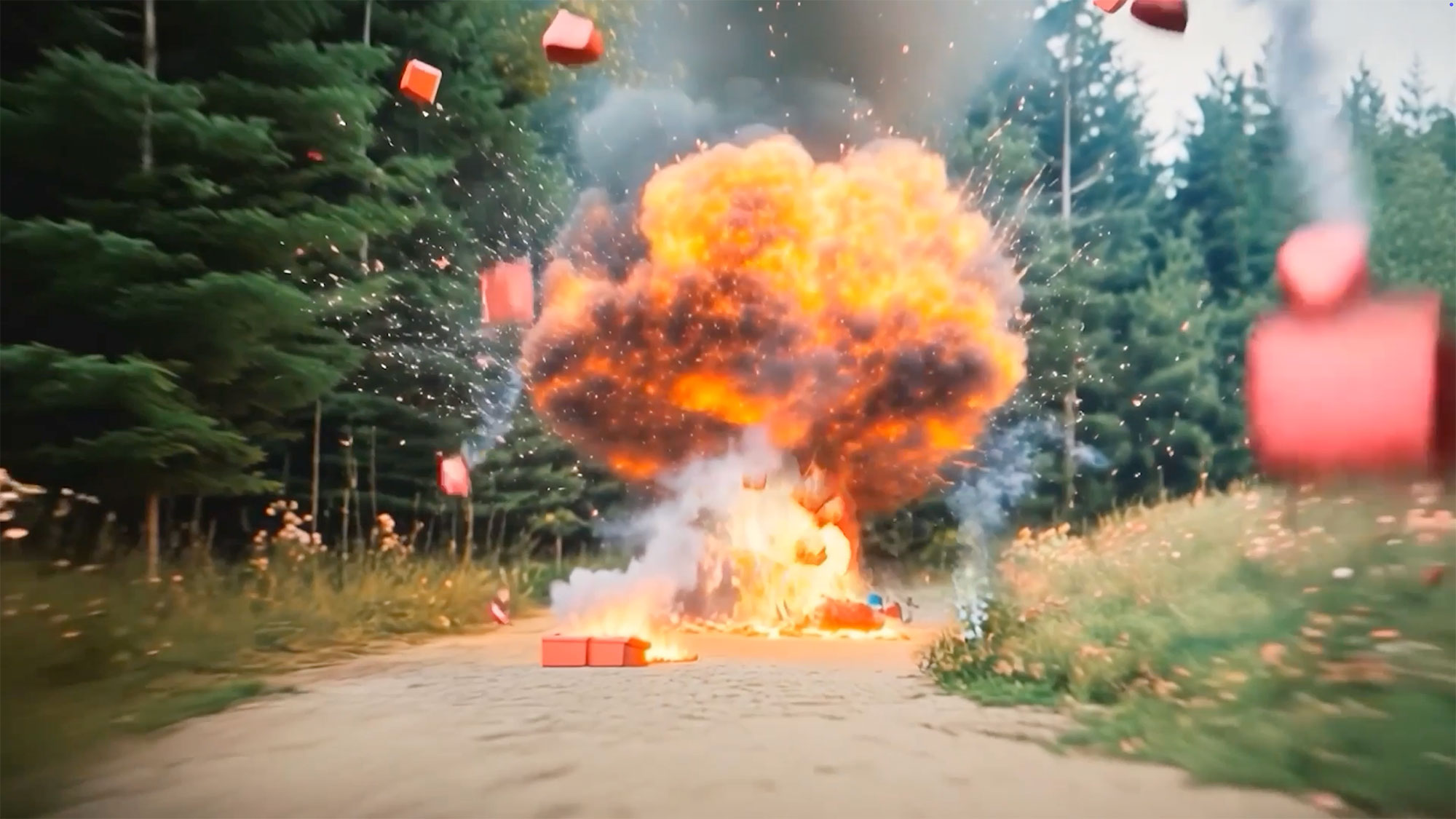
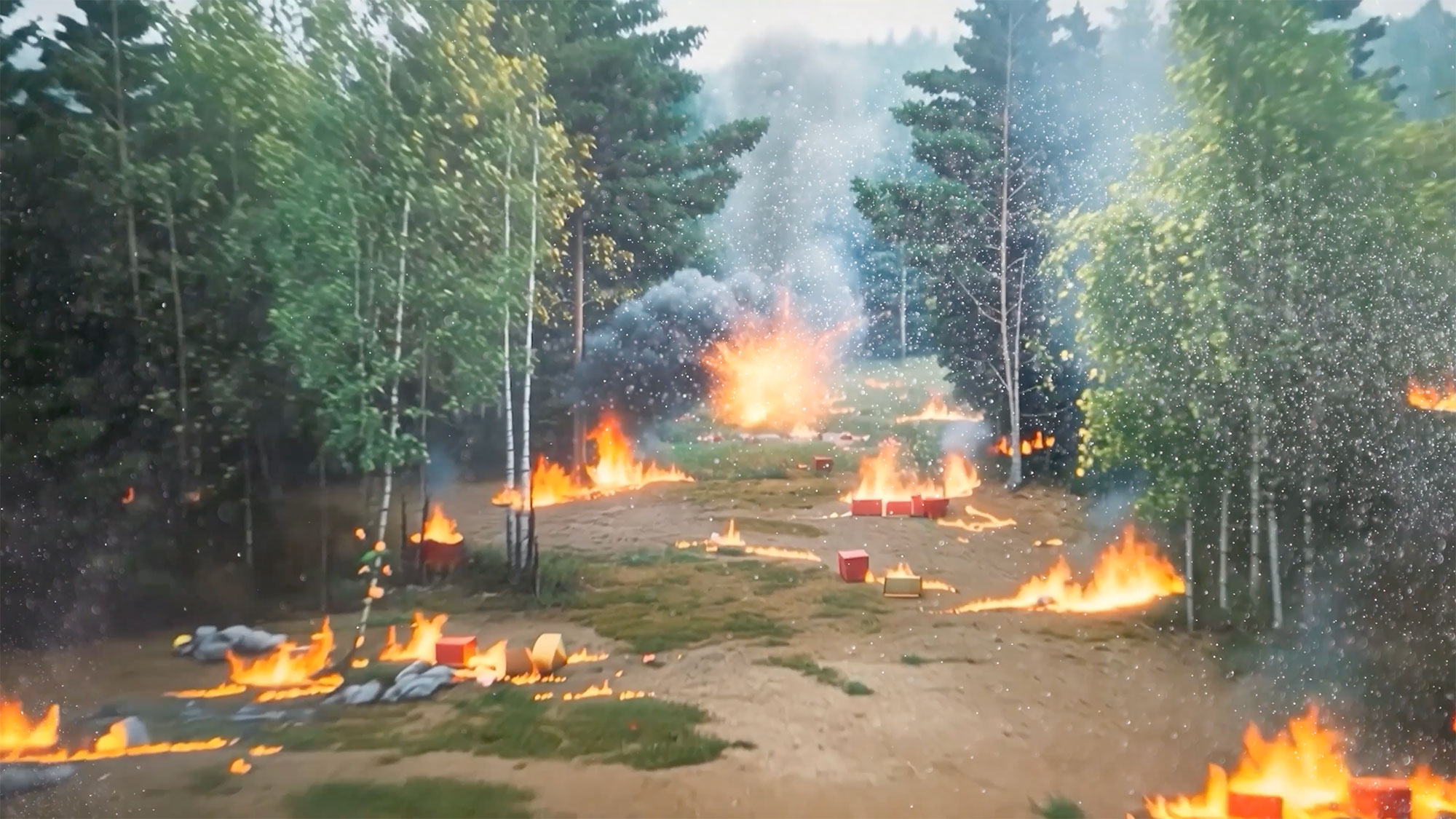
Having just started experimenting with AI video generators, I spent my saved-up free credits making the image come to life. Mirroring the continually tragic mishaps endured by Wile E. Coyote, each time the son swung the chainsaw, something completely unexpected happened. Presents burst out of the man-tree. Raccoons appeared. An eagle swooped down and carried his dad away. Pianos fell from the sky. For the grand finale, he simply exploded, setting the forest ablaze, all choreographed to Metallica’s Carol of the Bells.
The employee had given permission to use his likeness, and our staff were already accustomed to seeing us star in ridiculous videos together, so nothing seemed unusual. I uploaded the finished video to a brand-new YouTube account as a private video and sent him the link for approval.
That’s when things went sideways.
Unbeknownst to me, YouTube had already issued a warning claiming the video violated its policies on bullying. Bullying. The bots apparently concluded that the greatest threat to society wasn’t the chainsaw, exploding pianos, or Santa chestburster—it was a child being mean to his father. I never even saw the warning.
A few hours later, after receiving some excellent suggestions from the employee himself, I deleted the original upload and posted the improved version, completely unaware I’d already been given a strike.
The video survived just long enough for the staff to watch it. Reactions were… mixed. A few laughed. A few looked genuinely concerned for my mental well-being. One or two probably wondered whether HR should be involved. By the end of the day I intended to remove it anyway, but YouTube had beaten me to it.
This time I did see the email.
Because I had uploaded what their system considered the same offending video twice, YouTube skipped the normal progression of warnings and permanently banned my account. The email explained I could appeal, giving the impression an actual human might eventually review it.
I submitted my appeal around 2 a.m.
Before 2:15 a.m. I received my answer. You’re gonzo.
Apparently my appeal had been reviewed with all the care and consideration of a smoke alarm deciding toast is on fire.
I wasn’t too worried. I assumed I’d simply start another account, avoid uploading homicidal Christmas trees, and move on.
That worked for about six months.
During that time I uploaded several perfectly ordinary videos. None were flagged. None violated copyright. None featured chainsaws, exploding forestry, or festive extraterrestrials.
Then one day they all disappeared.
Another email informed me that YouTube had connected my new account to my banned one. Creating a second account, it explained, violated another policy because I was supposedly attempting to deceive the platform.
So I stopped.
YouTube may be the world’s largest video platform, but it can also be the world’s largest unattended suggestion box. During those six months of being a model citizen, not one of my videos had been viewed by anyone.
Being Canadian, I eventually settled on Rumble as an alternative streaming provider. My audience is still tiny, damn near imperceivable but at least new videos receive views almost immediately. Like YouTube, Rumble relies heavily on automated systems to sift through uploads, but human moderators generally become involved when reviewing disputes, appeals, and flagged content. The platform also takes a noticeably more relaxed approach to creative expression, and so far it’s been a much better fit. Mind you, given the way my brain works, I shouldn’t rule out getting myself into trouble there someday. If it happens, I’m oddly curious to see whether their appeal process involves an actual person.
Relying on automated systems to judge creative work creates both operational and cultural problems. Algorithms excel at recognising patterns but struggle with context, satire, absurdity, and intent. The result is a system that often penalizes originality while rewarding safe, formulaic content. When creative judgment is outsourced to software, organizations risk losing the very originality they’re supposedly trying to encourage.
So, in some ways I feel better knowing my videos may still be tiny specks of cosmic dust. At least now they’re floating in a universe where someone might actually notice them other than a bot.